

Stay informed with free updates
Simply sign up to the Energy sector myFT Digest — delivered directly to your inbox.
The UK government is set to withdraw a $1.15bn loan to a controversial liquefied natural gas project in Mozambique led by France’s TotalEnergies that has been on hold since a deadly terror attack in 2021.
The decision to pull funding is the latest setback to one of the largest infrastructure projects in Africa, which has been dogged by controversy over environmental, human rights and security issues.
Peter Kyle, the UK business secretary, is scheduled to make a statement on the project on Monday, with people familiar with the matter saying he will withdraw export finance for the project.
The Mozambique LNG project was brought to a halt in 2021, when an Islamist insurgency attacked a nearby town, killing more than 800 people according to estimates. The attack forced operator Total to halt the project, declaring force majeure.
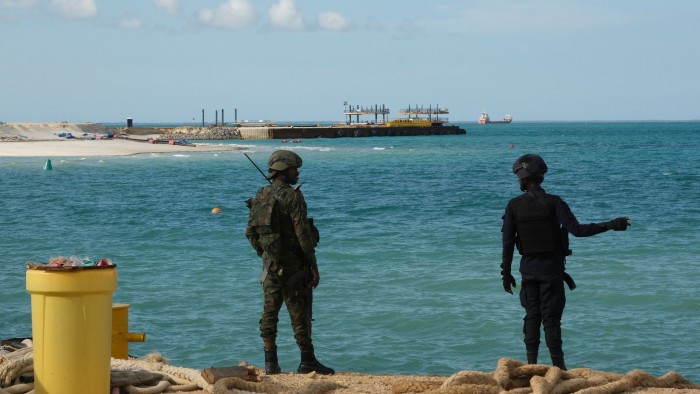
The withdrawal of UK funding comes as Total has been preparing to restart the project, claiming that the area around the operations in the province of Cabo Delgado is now safe thanks in part to the work of Rwandan soldiers who have helped secure the site.
In October, Total asked Mozambique’s government to approve an additional $4.5bn in costs and to extend the project’s timeline by four and a half years. The government has yet to formally respond to the request.
TotalEnergies has signalled that any withdrawal of British funding is unlikely to stop the $20bn project, which has secured backing from governments including the US and Japan. But the decision is a blow to Total and other companies involved in the project, including Japan’s Mitsui.
The $1.15bn loan by the UK Export Finance (UKEF), a government agency, was agreed in 2020 but has been bitterly opposed by environmental and human rights groups. The former Conservative government led by Boris Johnson brought in measures to end the financing of fossil fuel projects overseas shortly after the UK had agreed to back the project.
Export financing is designed to support international projects in the UK’s interest. Centrica is among the companies set to buy gas from the project in Cabo Delgado and British subcontractors are also involved.
However, the UK’s Labour government has been seeking ways to extricate itself. Earlier this year, the Financial Times reported that the government took legal advice on whether it could exit the financing deal.
It has also commissioned a human rights probe into the project, over reports that Mozambican soldiers, responsible for protecting the site after the terror attack, had massacred and tortured civilians.
Patrick Pouyanné, TotalEnergies chief executive, said in February that he was “ready to exercise all my contractual rights” if export credit agencies did not stand by their contracts. As well as the UK, the Dutch government is reviewing its support for the project.
He told analysts that financing was “back on track” after the US approved a move to unlock almost $5bn in funding in March.
But the project also faces a series of legal challenges and inquiries into the Palma attack.
Last month, an NGO brought a case against Total in Paris in relation to the alleged massacre by Mozambican soldiers near the site. Total has said it “firmly rejects” all allegations that it was complicit in the killings.
Meanwhile, an inquest is scheduled to open in January into the death of Philip Mawer, a British construction contractor who was helping to build worker accommodation blocks for Total in Mozambique. He was among 55 contractors killed in the insurgent attack in April 2021.
TotalEnergies did not immediately respond to a request for comment.
